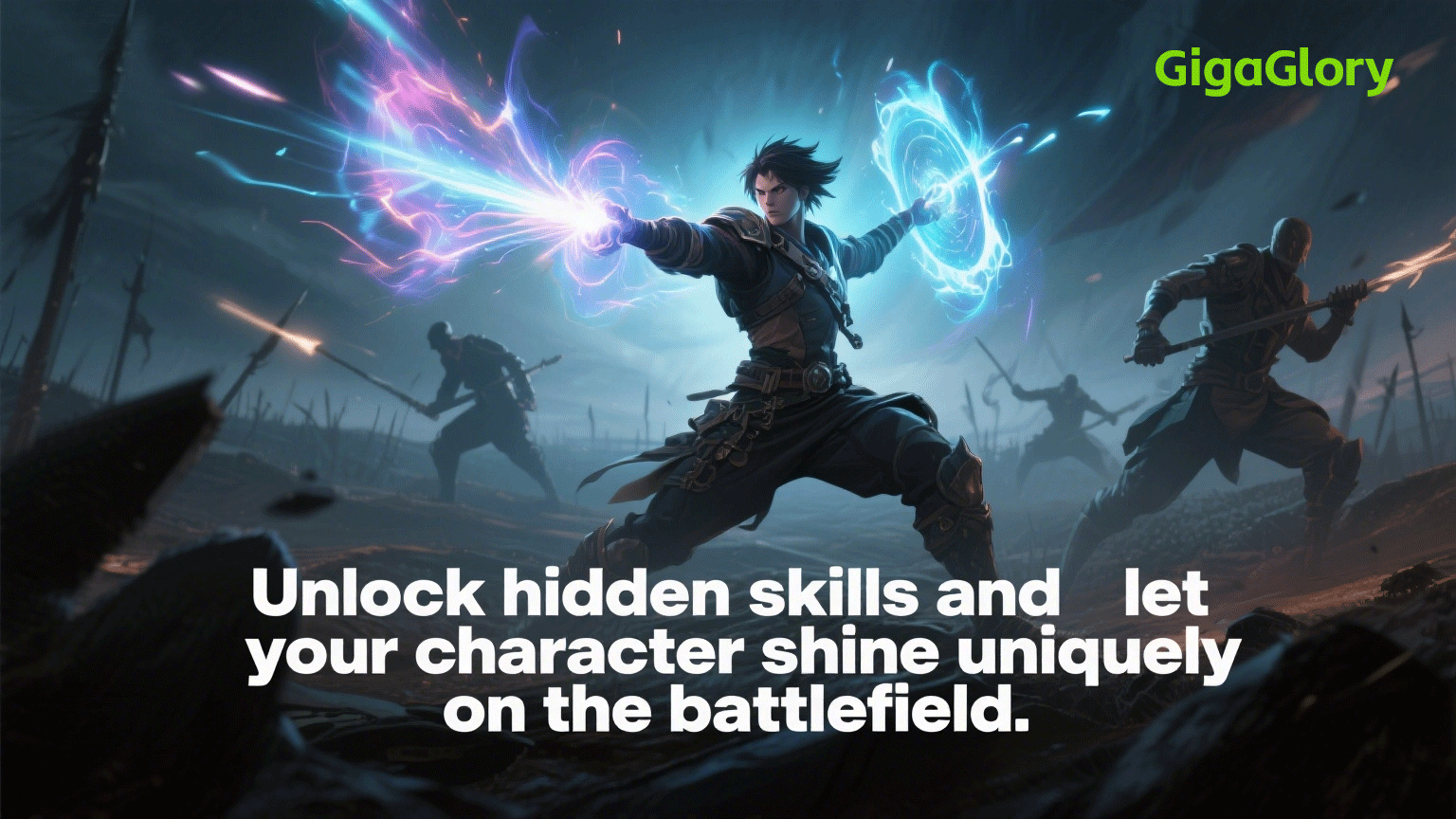
Why Incremental Games are the Future of Multiplayer Gaming Experience
Introduction
In the fast-evolving world of gaming, multiplayer games have steadily garnered attention, but there's a new trend on the horizon: incremental games. These games, characterized by their simple mechanics and continuous growth, are positioning themselves as front-runners in the multiplayer arena. This article will delve into the intricacies of incremental games, examine their implications for multiplayer experiences, and provide insights into how they may dominate the gaming industry.
Understanding Incremental Games
Incremental games, often dubbed 'clicker games', allow players to accumulate resources over time by interacting with the game world in simple, repetitive actions. Games like Edit:** Cookie Clicker** and **Adventure Capitalist** have paved the way, showcasing how minimal mechanics can lead to vast engagement. These games often incorporate elements of strategy and foresight, challenging players to optimize their resource accumulation efficiently.
The Rise of Multiplayer Formats in Incremental Games
Once seen as a solitary pursuit, incremental games are now embracing multiplayer formats. These formats are not just tacked on; they are seamlessly integrated, allowing players to share their progress and compete against others. This makes incremental games a viable option for those who thrive on competition or collaborative experiences. Multiplayer capabilities in these games enhance their appeal and longevity.
The Appeal of the Multiplayer Experience
Multiplayer experiences in incremental games cater to a variety of player preferences. Whether you’re a social butterfly or an introverted strategist, there’s something for everyone. Players can engage through:
- Real-time competitions
- Collaborative projects
- Leaderboard challenges
- Shared upgrades
Why ASMR Chess Game is Relevantly Important
The asmr chess game phenomenon illustrates the importance of sensory experience in gaming. These games successfully blend relaxation with competition, offering a unique take on multiplayer formats. By fostering a calming environment, they appeal to players who find value in both gaming and mindfulness, promoting a convenience that resonates in today’s fast-paced world.
Delta Force Player Count: A Case Study
As an example of how player counts affect the gaming experience, the Delta Force player count can provide significant insights. Games that flirt with multiplayer aspects see varied player engagement based on design and, importantly, how they handle player interaction. Incremental games could learn from Delta Force's community-building strategies, potentially increasing their player base exponentially.
Mechanics that Foster Long-term Engagement
It’s not just about gathering resources; the mechanics in incremental games can fundamentally alter player engagement. Successful incremental games often:
- Introduce new mechanics to keep the gameplay fresh
- Offer rewards that systematically increase to retain interest
- Utilize visuals and soundscapes to create immersive environments
The Synergy of Incremental Games and Social Media
In today’s digital age, social media plays a pivotal role in gaming. Incremental games that adopt sharing features or social media integration can leverage this trend. Players become ambassadors, sharing their progression and inviting friends to join in. This inherently increases the game’s visibility and appeal. Imagine posting about your latest victory or significant resource milestone – it’s a natural fit for multiplayer settings!
Countering the Naysayers: Is There a Downsides?
While the growth of incremental games and multiplayer experiences appears promising, there have been voices of skepticism. Critics argue that:
- **Repetitive Mechanics**: The gameplay can become monotonous.
- **Pay-to-Win Models**: Some games heavily rely on microtransactions.
- **Lack of Depth**: Comparatively, they may lack the narrative depth found in traditional games.
How to Build an Engaging Incremental Multiplayer Game
Creating an incrementally-based multiplayer game involves several steps:
- **Define Objectives**: What do you want players to achieve?
- **Organize Mechanics**: Decide on the core mechanics that facilitate growth.
- **Incorporate Feedback Loops**: Implement systems that allow players to continuously receive and respond to feedback.
- **Social Integration**: Ensure that the game encourages social interaction.
- **Test and Iterate**: Gather player feedback and make necessary adjustments.
The Role of Community in Multiplayer Incremental Games
At the heart of any successful game is a vibrant community. Incremental games excel at building communities through:
- **Forums**: Places for discussion, sharing tips, and strategies.
- **Events**: Competitive events that invite players to engage.
- **Webinars**: Educational sessions on gameplay techniques.
Future Trends in Incremental Gameplay
As we look to the future, what should we expect in the realm of incremental multiplayer games? Trends to watch include:
- **Adaptive Gameplay**: Systems that learn from player behavior to adjust difficulty.
- **Cross-Platform Play**: Allowing users on different devices to play together.
- **Enhanced Visuals**: Improved graphics that compete with traditional gaming.
Conclusion
The transformation of multiplayer experiences through incremental games represents a remarkable shift in the gaming landscape. By combining simple mechanics with engaging social elements, these games are poised to capture a significant market share. Embracing the trends, addressing challenges, and tapping into community dynamics will ultimately dictate their success. Incremental games not only represent a shift in gameplay mechanics but also set the stage for the future of multiplayer gaming. So as players or developers, it's essential to stay informed and adaptable - because the next big thing is just a click away!